
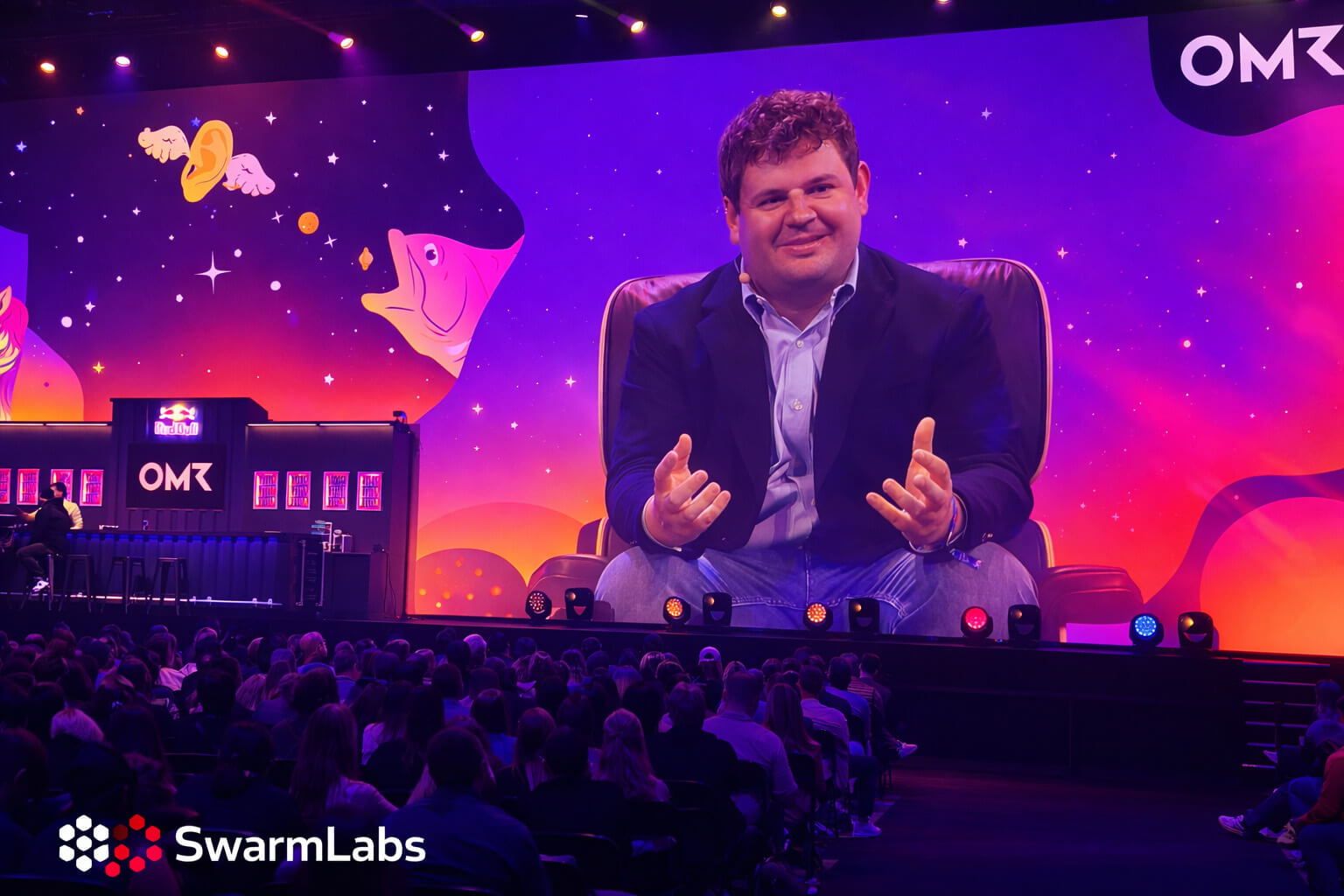
Nick Turley’s framing of ChatGPT as an “operating system” should be understood as a platform strategy. Control of the dominant interface layer has historically determined where value accrues in the software stack. Desktop operating systems owned distribution. Browsers abstracted the OS and shifted power to the web. Mobile platforms then consolidated that control through tightly governed app stores. The next interface shift may not be device led. It may be conversational.
If users increasingly initiate workflows inside ChatGPT, the application layer becomes subordinate to the intent layer. Instead of navigating dashboards or switching between tools, users articulate outcomes in natural language. The system interprets, routes and executes across models and integrated services. In that model, the interface is no longer visual navigation. It is semantic coordination.
From Applications to Orchestration
Owning the application layer does not require replacing existing software. It requires mediating access to it. Third party tools become callable capabilities inside a unified conversational environment. Discovery, authentication, permissions and execution sit behind a single interaction surface. The model becomes the orchestrator, reducing friction between systems and collapsing multi step workflows into structured exchanges.
For those of us building at the integration layer, this shift is commercially significant. If a formal marketplace emerges, distribution dynamics change. Developers gain access to users at the point of intent rather than competing for attention through traditional acquisition channels. At SwarmLabs, this represents a clear opportunity. We are already building integrations and applied AI systems. Should this ecosystem mature into a structured marketplace, readers can expect to see our applications embedded directly within that conversational layer.
If the interface shift continues in this direction, software will not disappear. It will become composable infrastructure beneath AI mediated coordination. The strategic question is not whether apps survive. It is who owns the layer through which they are invoked.